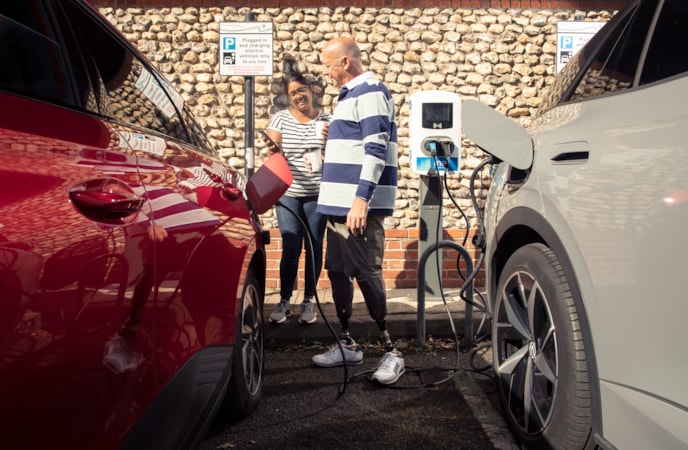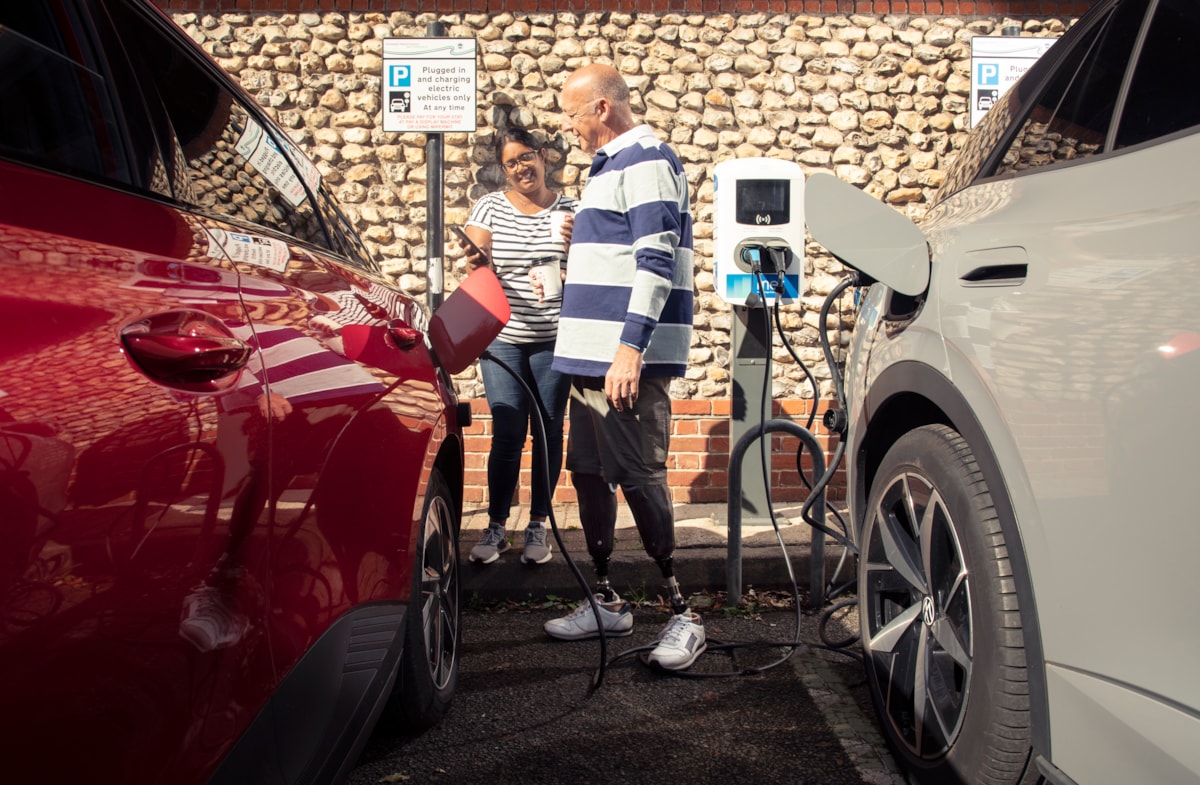
- Scottish drivers* are the least likely in the UK to consider switching to an electric vehicle, with almost half (49%) unlikely to make the move
- This hesitancy is even stronger for disabled drivers as 58% of Motability Scheme customers in Scotland are unlikely to consider an EV, with access to home charging their biggest barrier
- With 2030 approaching, Motability Operations believes government, industry and local authorities must work together to accelerate the rollout of accessible charging infrastructure or risk thousands of disabled people being left behind by the transition
- The firm is working with partners in Scotland to test accessible cross-pavement charging, helping disabled drivers without driveways charge at home
Scots are the least likely in the UK to consider switching to an electric vehicle (EV), new research from the Motability Scheme has found, raising concerns that people in Scotland could be left behind as the 2030 phase-out of new petrol and diesel cars approaches.
The challenge is even greater for disabled drivers, with limited access to home and public charging making the switch harder for many.
The latest EV Transition Tracker surveyed 3,166 drivers across the UK, as well as 1,006 in Scotland, to understand attitudes towards the transition to electric.
Almost half (49%) of Scots say they are unlikely to consider an EV, compared with 39% of drivers across the United Kingdom.
Hesitancy is even greater among disabled people on the Motability Scheme. Almost 6 in 10 (57%) of Scheme customers in Scotland say they are unlikely to consider switching to an EV, including 39% who say they would “definitely not” consider one.
Disabled drivers in Scotland risk being locked out of EV transition by charging barriers
Access to charging is one of the biggest barriers preventing disabled drivers in Scotland from making the switch.
Almost half (44%) of Motability Scheme customers in Scotland who are not open to making the switch say being unable to charge at home is a barrier, while a third (33%) cite a lack of public charging options where they live.
Without accessible charging infrastructure, many disabled drivers could find the switch to electric significantly harder. As petrol and diesel cars are phased out, this risks limiting choice and independent travel.
For the wider Scottish public, top barriers preventing them from making the switch are more evenly spread between vehicle range (30%), home charging (29%) and the higher cost of EVs (29%).
Andrew Miller, CEO of Motability Operations, the company that runs the Motability Scheme, said: “The transition to electric cannot come at the expense of disabled people’s freedom and independence. Right now, too many disabled drivers in Scotland face practical barriers to making the switch because the charging infrastructure they need simply isn’t there.
“With 2030 fast approaching, government, industry and local authorities need to work together to remove these barriers and make charging accessible to everyone. We’re testing practical solutions, including cross-pavement charging here in Scotland. The technology exists - the priority now is making it available quickly and at the scale needed to make a real difference.”
Testing solutions to make charging more accessible
Motability Operations is already working with partners in Scotland to test practical solutions to charging barriers identified by the research.
In partnership with local authorities, Ohme and Kerbo Charge, the firm is running a pilot to help disabled EV drivers who do not have access to a driveway charge their vehicles at home.
Accessible cross-pavement charging channels have been installed, allowing residents to safely run a charging cable from their property to a vehicle parked on the street.
The pilot is testing how accessible equipment and cross-pavement charging can help make home charging possible for disabled people who might otherwise be unable to access it.
The findings from the EV Transition Tracker also inform the Motability Scheme’s work with government and industry, helping to tackle the barriers preventing disabled people from making the switch.